.png)


Key Takeaways
- Operations planning starts well before guests arrive, making forward-looking reports just as important as real-time dashboards.
- Arrival patterns, stay lengths, and inventory changes all affect staffing, scheduling, and workload.
- Reviewing a small set of operational reports consistently helps teams anticipate demand instead of reacting to it.
A well-run operation is usually the result of good planning, not quick reactions. Housekeeping schedules, maintenance visits, inspections, and guest services all depend on knowing what’s coming before guests arrive. Reservation data already contains most of those answers, but they’re spread across thousands of bookings and hundreds of properties. The right reports bring that information together in a way that’s practical to use.
These are five reports operations teams tend to rely on most and how they’re commonly used throughout the business.
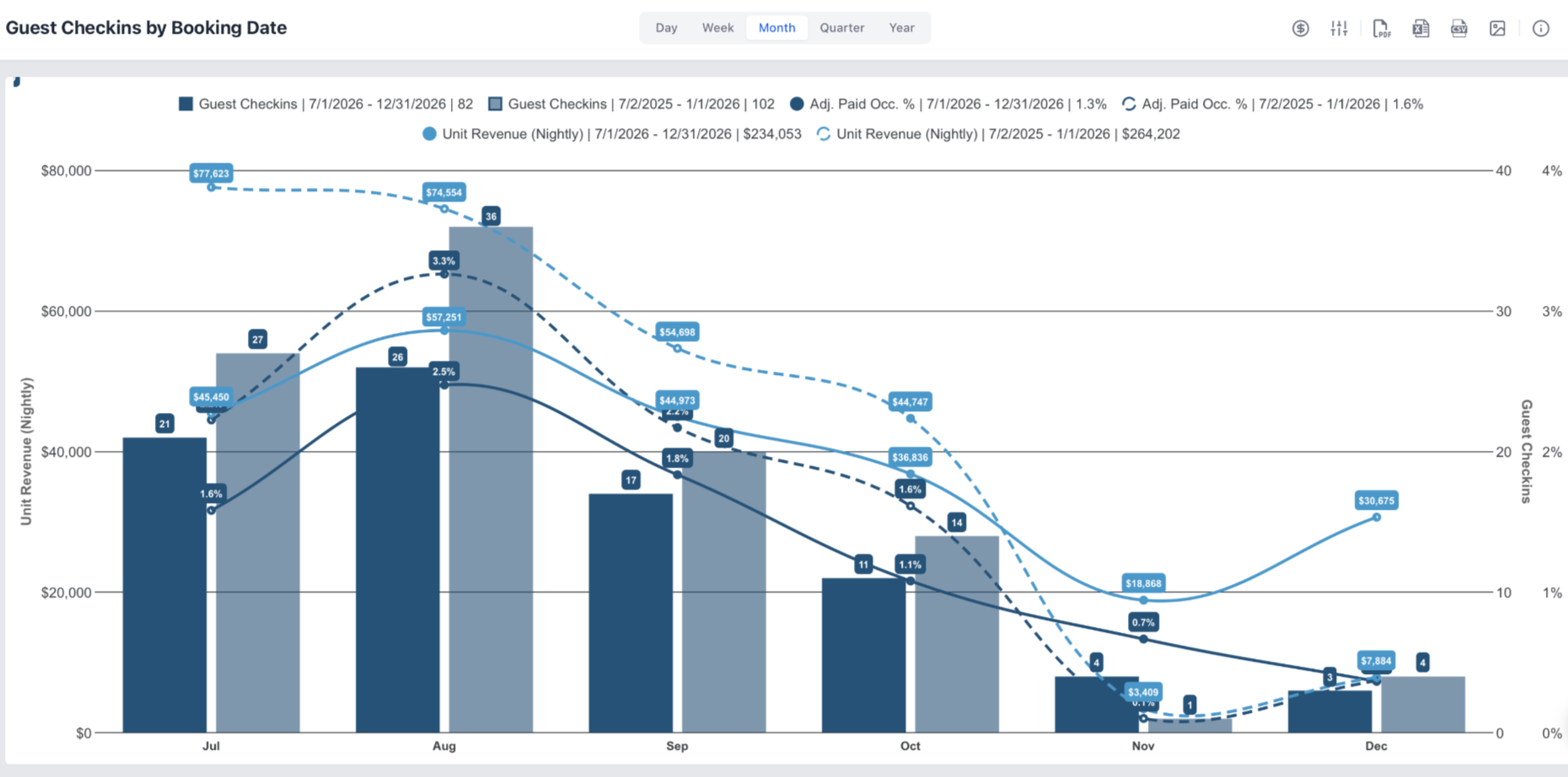
Guest Check-Ins by Booking Date
Most operational planning starts with arrivals. Occupancy tells you how full the portfolio is. Check-ins tell you how busy the day will actually be.
A Saturday with 100 occupied properties may only have 15 arrivals. Another Saturday with the same occupancy could have 70 arrivals and require significantly more housekeeping, inspections, guest communication, and field support.
The Guest Check-Ins by Booking Date report gives operations managers visibility early, making it easier to build staffing schedules around workload rather than occupancy alone.
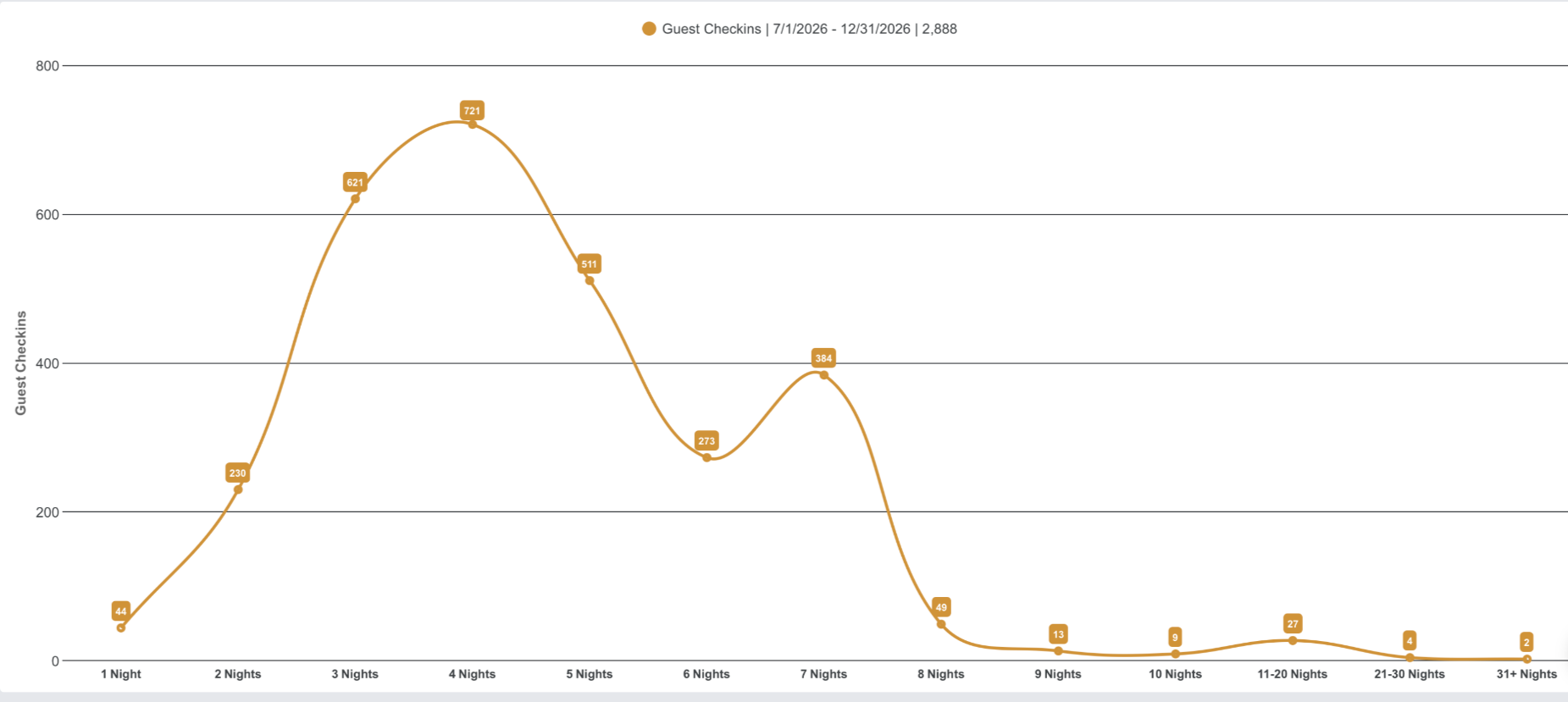
Bookings by Length of Stay
Length of stay has a direct impact on operations. Short stays create more turnovers, more cleanings, and more inspections. Longer stays reduce that workload, even if occupancy remains high.
Looking at stay-length distributions helps teams estimate how busy future weeks are likely to be and whether contractor schedules, housekeeping capacity, or inspection resources need to change.
It’s also a useful report for spotting shifts in guest behavior that may not be obvious from occupancy data alone.
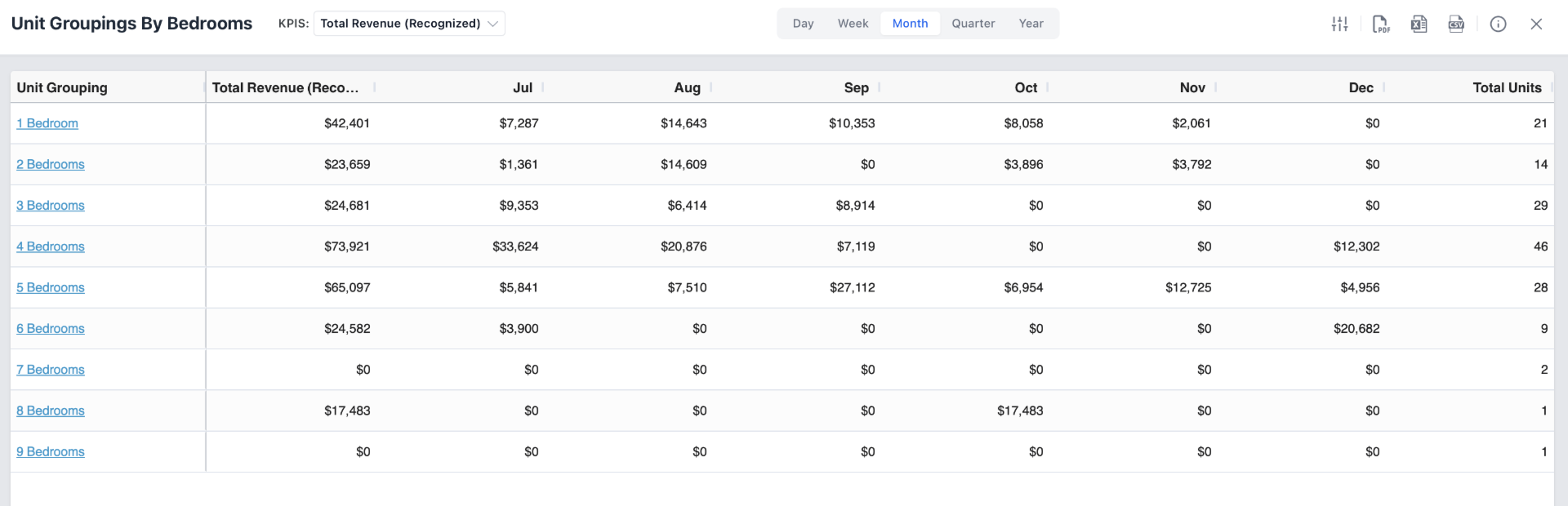
Unit Groupings by Bedrooms
Not every property requires the same amount of work. Cleaning schedules, maintenance time, inspection requirements, and even vendor assignments often vary by property size. Looking at the portfolio as a whole makes those differences difficult to see.
Grouping units by bedroom count gives operations managers a more realistic view of where labor hours will be spent. That information is especially useful when balancing routes, assigning crews, or estimating staffing needs during peak seasons.
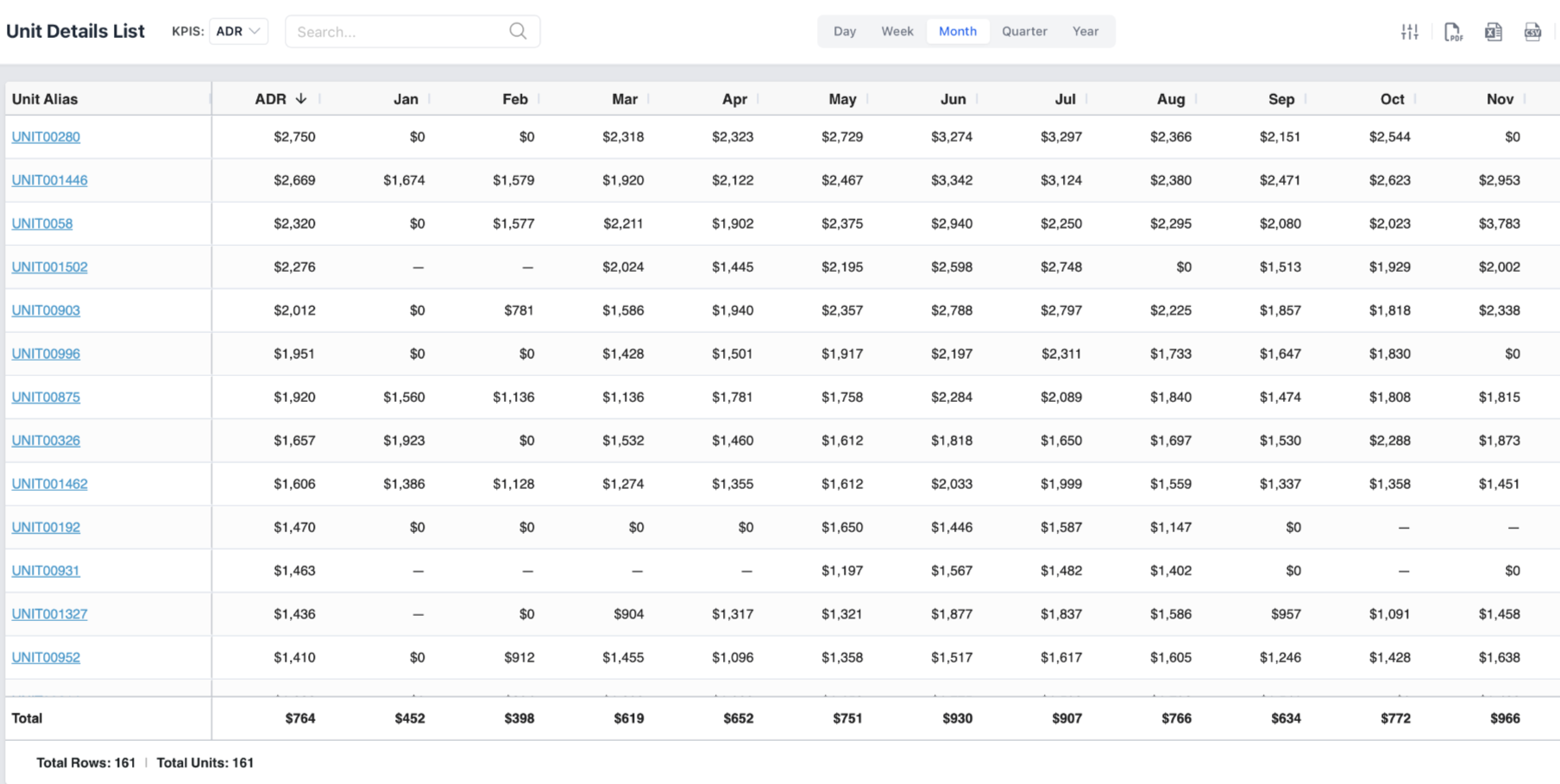
Unit Details List
High-level reports are useful for planning. Daily operations usually come down to individual units.
The Unit Details List is often the report teams reference throughout the day because it provides property-level detail in one place. Whether someone is checking a unit’s status, confirming operational information, or reviewing activity across the portfolio, it becomes a central reference for day-to-day coordination.
For larger portfolios, having unit-level information readily available helps reduce time spent jumping between multiple systems.
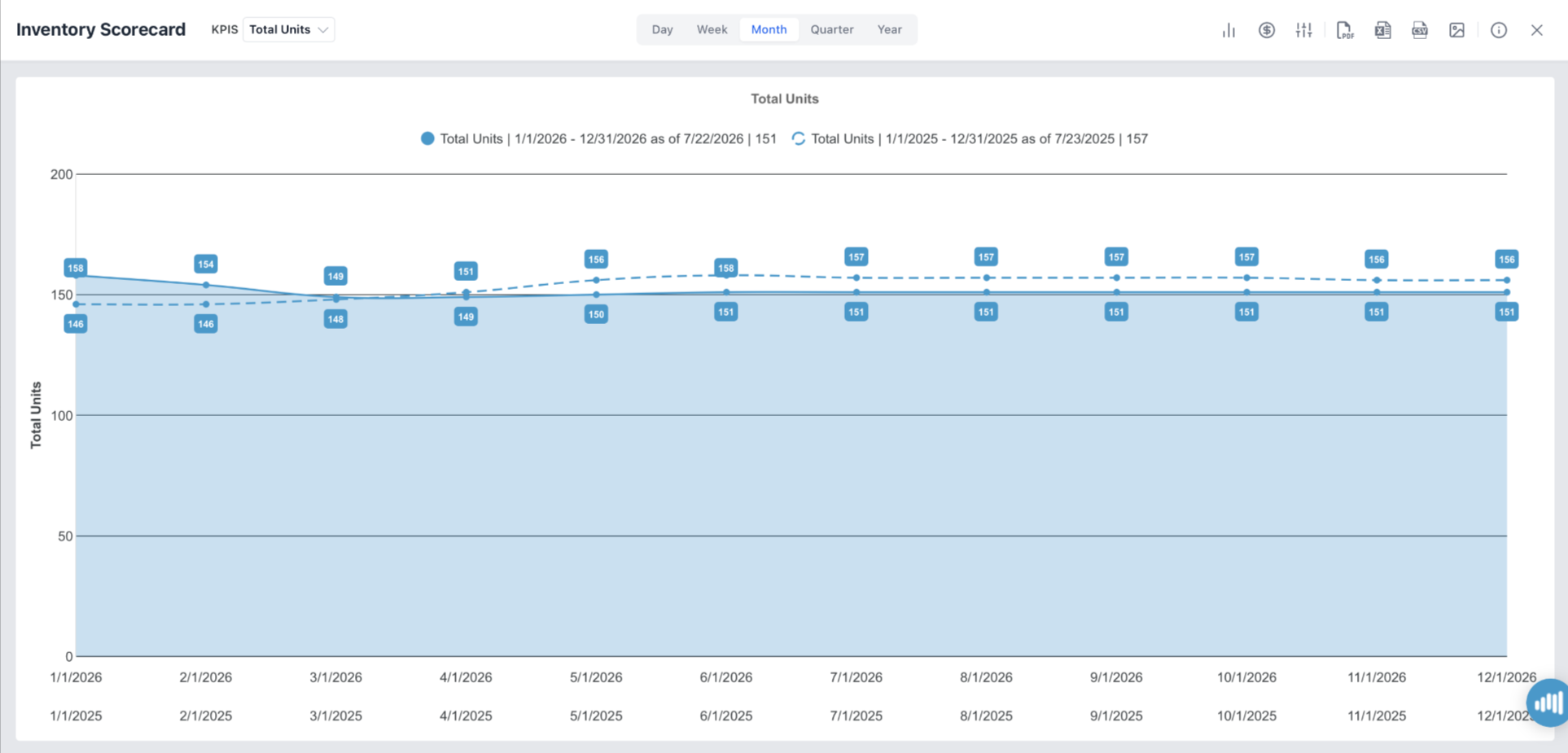
Inventory Scorecard
Operations teams aren’t just managing reservations, they’re managing a portfolio that’s constantly changing. New properties come online, and others leave the program. Seasonal inventory shifts can affect staffing requirements long before reservations begin to change.
The Inventory Scorecard provides a simple view of portfolio growth and churn, making it easier to understand whether operational capacity is keeping pace with the business itself.
It’s typically reviewed less often than arrival reports, but it plays an important role in hiring, budgeting, and long-term resource planning.
Better Planning Starts with Better Visibility
Operations teams spend most of their time solving problems before guests ever notice them. Having the right reports available makes those decisions easier, whether it’s adjusting housekeeping schedules for a busy arrival weekend, planning maintenance resources for a growing portfolio, or preparing for seasonal changes in demand.
KeyData’s operational reports bring those planning tools together, helping teams stay organized, allocate resources effectively, and deliver a more consistent guest experience.
Frequently Asked Questions
What reports are most useful for vacation rental operations teams?
Operations teams typically review reports that track arrivals, stay length, inventory, and unit-level activity. Together, these reports help with staffing, scheduling, maintenance planning, and day-to-day portfolio management.
Why are guest check-in reports important?
Arrival volume has a direct impact on housekeeping, inspections, guest services, and maintenance scheduling. Looking at check-ins by day allows operations teams to prepare for busy periods before they occur.
Why does length of stay matter operationally?
Length of stay affects turnover frequency. Shorter stays create more cleanings and inspections, while longer stays generally reduce operational workload even when occupancy remains high.
How does grouping units by bedrooms help operations?
Larger properties typically require more cleaning time and maintenance effort than smaller units. Grouping inventory by bedroom count helps estimate staffing requirements and balance workloads more effectively.
What is an Inventory Scorecard?
An Inventory Scorecard provides an overview of portfolio growth and unit changes over time. Operations leaders use it to monitor changes in inventory and plan staffing, vendor relationships, and operational capacity accordingly.
How often should operations teams review these reports?
Arrival reports and unit-level reports are commonly reviewed daily, while inventory reports are often reviewed weekly or monthly as part of broader operational planning.
Why is operational reporting important?
Operational reports turn reservation data into planning information. They help teams anticipate workload, allocate resources efficiently, and keep day-to-day operations running smoothly as portfolios grow and demand changes.





